lunes, 5 de octubre de 2015

HELLO THERE!


Can you remember Wh- words in English? 
We use them to start a question. 


Play these games now:

              Question Words (?)

 What / When / Where / Who

Questions - exercises

++++++++ADJECTIVES++++++++++

What are adjectives?


comparative adjectives
 

Ben is tall               Tom is short
Ben is taller than Tom         Tom is shorter than Ben

Study the examples. How dou you form comparative adjectives in English?
Click on the picture to have some practice with comparative adjectives.

http://www.agendaweb.org/exercises/grammar/comparison/comparatives-1 


+++++++++++DESCRIBING PEOPLE+++++++++++
  
She has brown eyes Resultado de imagen de BROWN EYES 

She has blue eyes Resultado de imagen de blue eyes 
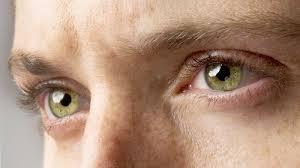
He has green eyesResultado de imagen de green eyes 

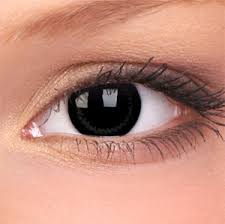
He has black   eyes sResultado de imagen de black eyes
 
Resultado de imagen de DESCRIBING PEOPLE´S EYES 
She has long blonde hairResultado de imagen de blonde hair in cartoons

p


INVERTEBRATES

Listen to the song and find out the characteristics of invertebrate animals:


INVERTEBRATES

They do not have a backbone.
We can classify invertebrates into six groups.

      1-   ARTHROPODS
Arthropods have an external skeleton called exoskeleton.


                                                                                                                 1.4-insects- FLY
1.1-crustaceans-CRAB                         1.3-aracnid-SPIDER             They have three body parts:
They have two body                                             They have two body                                                  head, thorax and abdomen.
parts: cephalothorax and abdomen.                             parts: cephalothorax and abdomen                                   They have two antennae and three
Their exoskeleton is very hard.                                           They have four pairs of legs                                       Most have one or two pairs of wings.                    They have five pairs of legs                                                        and up to eight eyes.                                                                                                  
and four antennae.           
                                        1.2-myriapods-CENTIPEDE     
                                        They have long , thing, segmented bodies.
                                         They have many pairs of legs and two antennae.
 Resultado de imagen de arthropods examples 


2- MOLLUSCS
These are a big group of invertebrates. There are three subgroups.


     2.1 gastropod- SNAIL                                                 2.3 cephalopod-SQUID
                                        2.2. bivalves- MUSSELS


3-EQUINODERMS-

STARFISH
           
                                              They live at the bottom of the sea.                                                          
  They are covered by  a hard, spiny skin     


4-SPONGES
                                                         
They live in water.
         They are very simple animals, they have no muscles,
          nervous system or circulatory system.
 Resultado de imagen de sponges 


5-ANNELIDS-WORM
                
They have long, soft bodies with moist skin.                                         
Many annelids are parasites and live inside other animals.                    
They can live in water and on land.                   
Resultado de imagen de types of annelids    


6- CNIDARIANS

JELLYFISH


Cnidarians live in the sea.
                  They have a soft, jelly-like body with one opening. This  opening is surrounded by venomous tentacles.


domingo, 4 de octubre de 2015

GEOSFERA Y LITOSFERA


La Geosfera es la parte de la tierra que comprende desde la corteza hasta el núcleo y la Litosfera comprende la corteza y la parte más externa y sólida del manto.

Aprendamos un poquito con este vídeo


Aquí tenéis unos enlaces para repasar el tema.

La geosfera (Lección 1)
Rocas y minerales (Lección 2)

RAZONAMIENTO


No tengas miedo, atrévete a RAZONAR.
Razonar es la actividad mental que permite estructurar y organizar las ideas para llegar a una conclusión.


PROBLEMAS MATEMÁTICOS


En este vídeo te enseñan los pasos a seguir para resolver los problemas

Ahora practica un poco